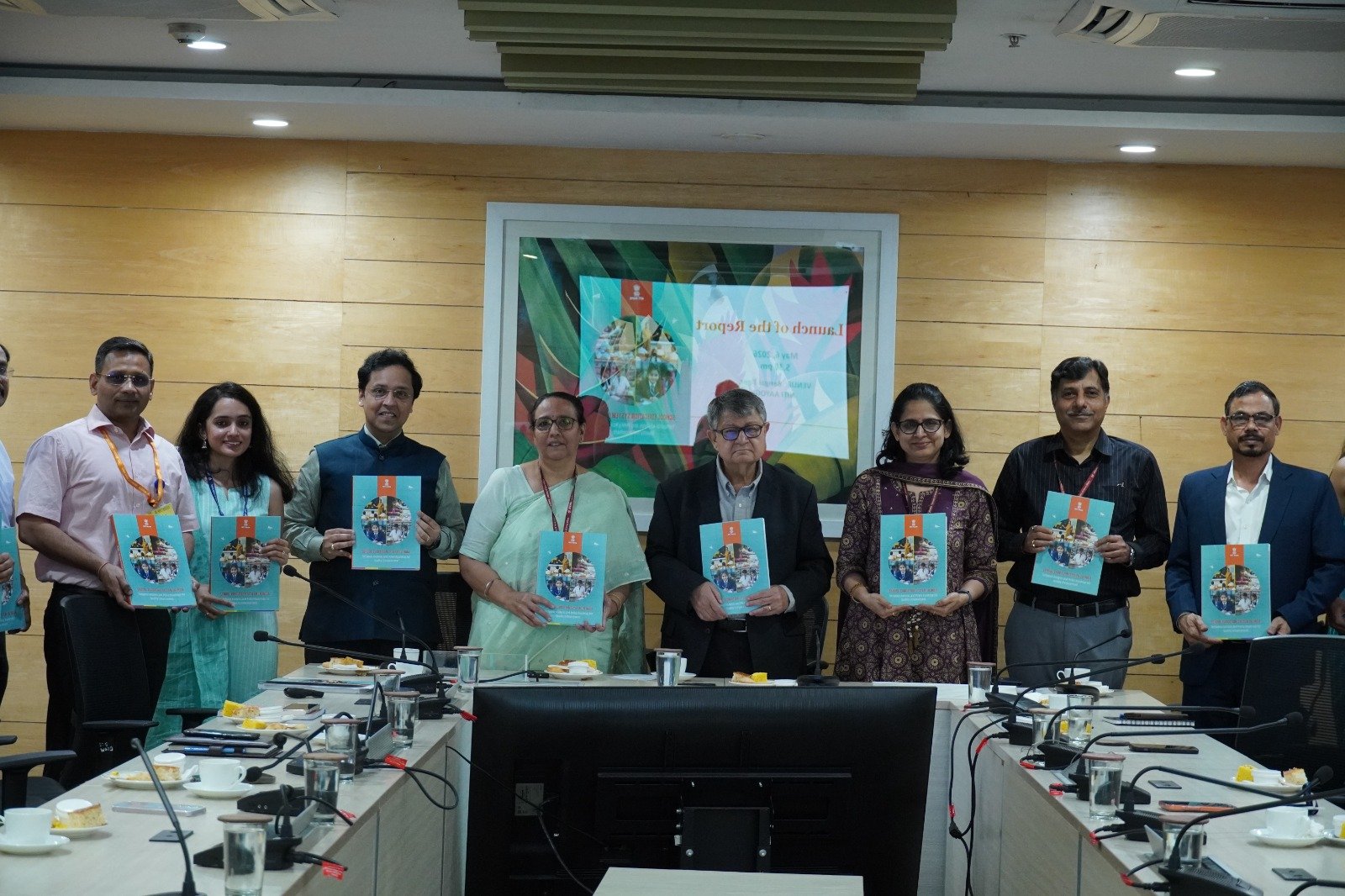


India’s school education system today spans 14.71 lakh schools, serving over 24.69 crore students, making it the largest system in the world. Reflecting on the progress achieved over the past decade, the report presents a comprehensive analysis across key dimensions of access, infrastructure, equity, inclusion, digital integration, and learning outcomes for all 36 States and UTs. Through heat maps and other visual graphics, the temporal analysis presented in the report highlights substantial advancements in school infrastructure, particularly in the provision of electricity, functional sanitation facilities, and inclusive infrastructure, alongside a significant expansion of the digital learning ecosystem through improved access to computers, internet connectivity, and smart classrooms across schools. The study also points towards encouraging gains in equity and inclusion, especially in girls’ participation and the improved enrolment of SC and ST students across educational stages. Further, the report notes signs of recovery in learning outcomes across grades, particularly in foundational literacy and numeracy following the pandemic, supported by sustained policy initiatives under NEP 2020, NIPUN Bharat Mission, and Samagra Shiksha Abhiyan, while emphasising the need for continued efforts towards strengthening quality and equitable learning outcomes. Based on the data analysis and stakeholder consultations, the report also presents 11 major challenges across systemic and academic areas.
The report provides a detailed policy roadmap comprising 13 comprehensive recommendations. The 8 systemic recommendations encompass reforming school structure through composite schools and evidence-based rationalisation, strengthening school infrastructure, undertaking governance reform and administrative capacity building, institutionalising a whole-of-society approach through State and District Task Forces on School Quality, strengthening School Management Committees, elevating teacher deployment and professional development, expanding digital and broadcast-based learning, and promoting equity and inclusion. The 5 academic recommendations focus on transforming pedagogy, assessment, and foundational learning, emphasising holistic education and student wellbeing, reimagining vocational education and skill integration, strengthening ECCE, and integrating AI for pedagogical innovation.
The report provides 33 implementation pathways for the above-mentioned recommendations, each structured across short, medium, and long-term horizons with clearly identified actors responsible at the Central, State, and local levels. It provides over 125 measurable Performance Success Indicators to track progress. The report also features short case studies of good practices at the Central, State and District levels from across India.