
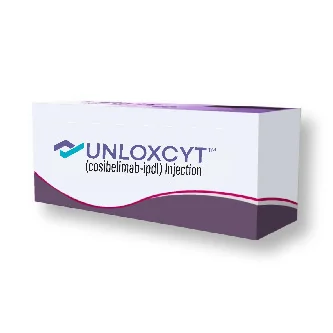


The updated label confirms that UNLOXCYT maintains a consistent safety profile, with immune-mediated adverse reactions remaining low and no treatment-related deaths reported. Common adverse events included fatigue, musculoskeletal pain, rash, diarrhea, hypothyroidism, constipation, nausea, headache, pruritus, edema, localized infection, and urinary tract infection. Mechanistically, UNLOXCYT restores adaptive immune response by blocking PD-L1 binding to PD-1 and B7.1, while engaging natural killer cells through Fc-mediated antibody-dependent cell-mediated cytotoxicity. Importantly, it spares PD-L2, which may help preserve immune tolerance in non-tumor tissues and limit off-target effects.
Richard Ascroft, CEO of Sun Pharma North America, stated that the longer-term results confirm UNLOXCYT as an advancement in treatment options for aCSCC, with more patients responding and maintaining responses longer than in the primary analysis. Emily Ruiz, MD, MPH, of Harvard Medical School, emphasized that for many patients over 65 with comorbidities, UNLOXCYT provides a critical balance of efficacy and tolerability. David Miller, MD, of Mass General Brigham Cancer Institute, highlighted the importance of therapeutic diversity in advanced CSCC, noting that UNLOXCYT’s differentiated mechanism offers meaningful benefit.
CSCC is the second most common skin cancer in the United States, with approximately one million diagnoses annually. Around 40,000 cases progress to advanced stages each year, and about 15,000 patients die from the disease, underscoring the urgent need for effective therapies. UNLOXCYT was initially approved by the FDA in 2024, and this updated label further validates its role in addressing unmet needs in oncology. Sun Pharma plans to commercially launch UNLOXCYT in early 2026, reinforcing its commitment to expanding differentiated immunotherapy options within its cutaneous oncology portfolio.