

Breakdown of Non-Fossil Fuel Capacity (as on 31.07.2026):
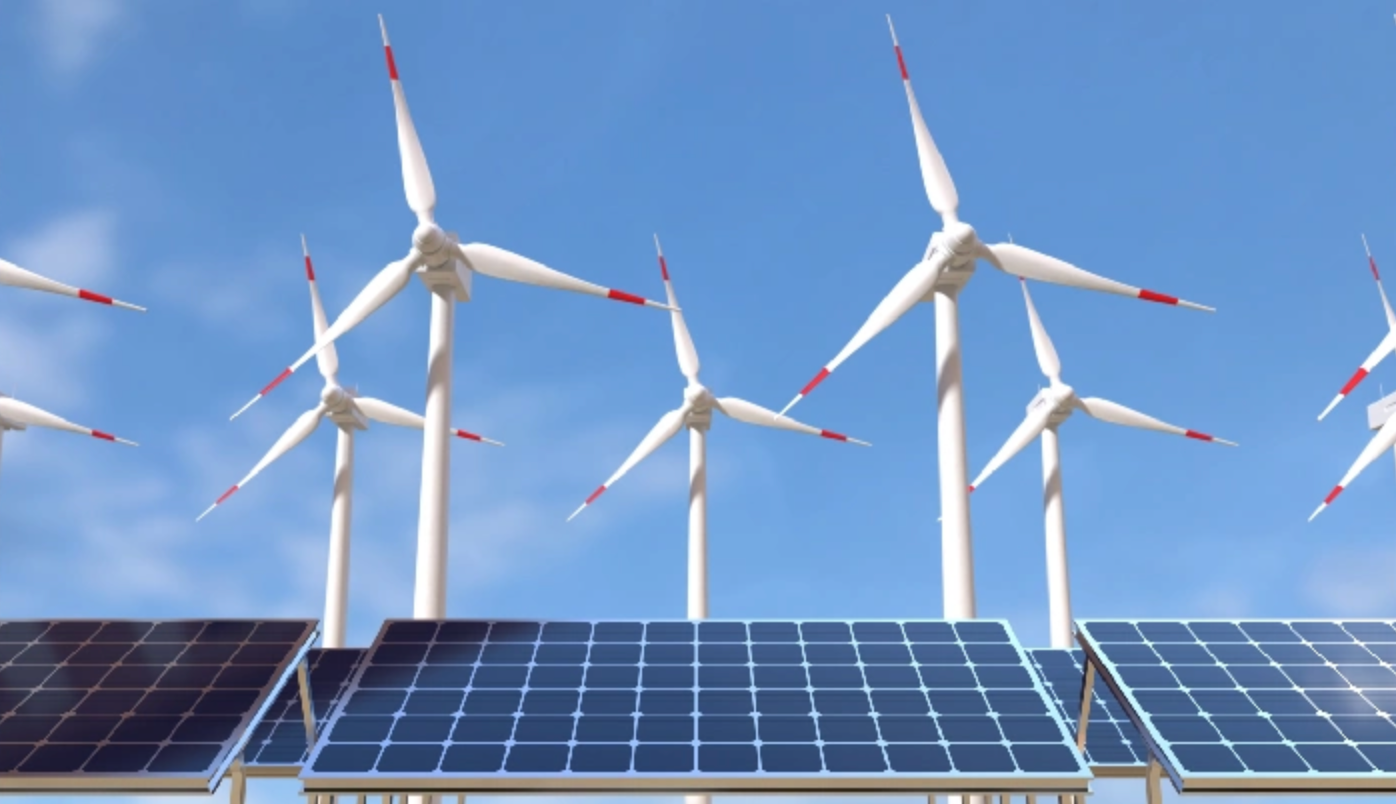
- Solar Power: 164.59 GW
- Wind Power: 58.14 GW
- Hydro Power (Large & Small): 57.24 GW
- Bio-power: 11.75 GW
- Nuclear Power: 8.78 GW
- Total Non-Fossil Capacity: 300.50 GW
The share of non-fossil fuel electricity capacity in the country’s total electricity generation capacity (which is around 552 GW at present), has reached over 54%.
Backed through the key policy enablers provided by the Government for this transformation, this monumental achievement highlights India’s rapid progress towards building an Aatmanirbhar energy ecosystem and securing the target of 500 GW non-fossil capacity by 2030.
The growth in clean energy generation has been anchored by stellar contributions across sectors. Solar energy remains the key growth engine with around 165 GW at present from just 2.8 GW in 2014. Concurrently, the wind energy sector has also seen strong momentum reaching to over 58 GW from 21 GW in 2014.
During 2025-26, a record capacity of 55.29 GW non-fossil fuel based electricity capacity was installed in the country with key contributions from 44.6 GW solar power and 6 GW wind power.
The rapid progress in renewable energy capacity is also reflected in renewable energy generation in the country which has increased from 190.96 billion units in 2014-15 to 477.79 BU in 2025-26.
To support this rapid expansion and ensure supply chain independence, India has transformed its domestic manufacturing capabilities. Driven by the Production Linked Incentive (PLI) scheme focusing on the nation’s solar installations with high-efficiency, indigenously produced modules, the enlisted capacity under the Approved List of Models and Manufacturers (ALMM) for Solar PV Modules has crossed the historic 200 GW milestone, rising from just 2.3 GW in 2014.
Clean energy transition is no longer just a climate commitment—it is central to shaping India’s industrial competitiveness, energy independence, and economic resilience.
The Ministry of New and Renewable Energy is also driving deep industrial decarbonization, positioning India to become a global hub for the production, usage, and export of Green Hydrogen and its derivatives, through the implementation of the National Green Hydrogen Mission.