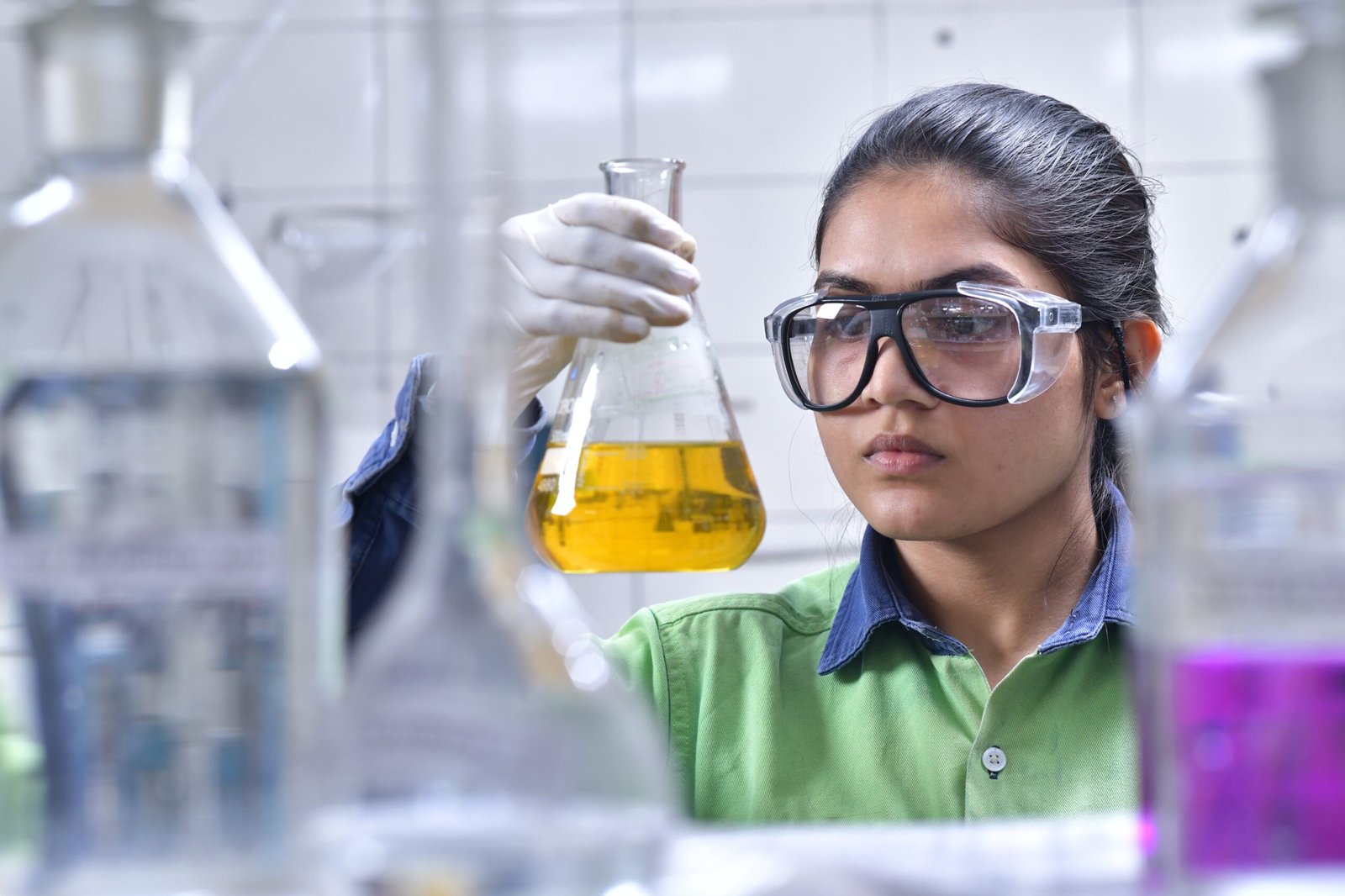


New Delhi: On the occasion of the International Day of Women and Girls in Science (11 February), Vedanta Limited announced that women now account for over 35% of its STEM fresher hiring, rising to 45% with leadership and management roles combined. Building on this momentum, the company is targeting over 50% women hiring in STEM roles starting this year.
The milestone marks one of the most significant gender shifts in India’s metals, mining, manufacturing and energy sector, industries that have historically been among the most male-dominated globally.
Aligned with the United Nations’ 2026 International Day of Women and Girls in Science theme, which calls for accelerating gender equality in scientific education, innovation and leadership, the announcement comes at a critical juncture for India. While women constitute nearly 40–45% of India’s STEM graduates, they represent less than 30% of the global STEM workforce, according to the UNESCO Institute for Statistics, with participation historically even lower in sectors such as metals and mining, where representation has often remained in the single digits globally.
Vedanta’s progress demonstrates how sustained, industry-led action can help bridge the gap between education and long-term scientific and technical careers.
Redefining Women’s Participation in Metals and Mining
Over the past few years, Vedanta has emerged as a sectoral outlier by redefining women’s participation in core industrial roles. Its initiatives across operations reflect women’s growing presence across the metals and manufacturing value chain.
Priya Agarwal Hebbar, Non-Executive Director, Vedanta Ltd. and Chairperson, Hindustan Zinc Ltd., said, “Science and technology will shape India’s journey towards a truly Atmanirbhar and Viksit Bharat. At Vedanta, we believe this future is built when talent grows together. From being the first in India to send women miners underground and enable night shifts in mines, to building all-women aluminium production line (potlines) and locomotives, we are demonstrating what is possible. When girls see these pathways, they don’t just choose STEM, they choose to lead.”
Digital Transformation as an Equaliser
A key enabler of this shift has been the adoption of advanced digital technologies across Vedanta’s operations. Increased automation, real-time monitoring, standardised operating procedures and digital safety systems have made metals and mining workplaces safer, more predictable and inclusive. These advancements have also enabled night shifts for women across operations, reinforcing Vedanta’s commitment to equal opportunity and operational parity in core industrial roles.
Across Vedanta’s businesses, women scientists, engineers and technologists are increasingly shaping outcomes in mining, metallurgy, process engineering, environmental sciences, digitalisation and energy systems. Their work supports India’s self-reliance in critical minerals, metals and oil & gas, strengthens domestic value chains, and contributes to the global energy transition through innovation-led efficiency, decarbonisation and responsible resource development.