
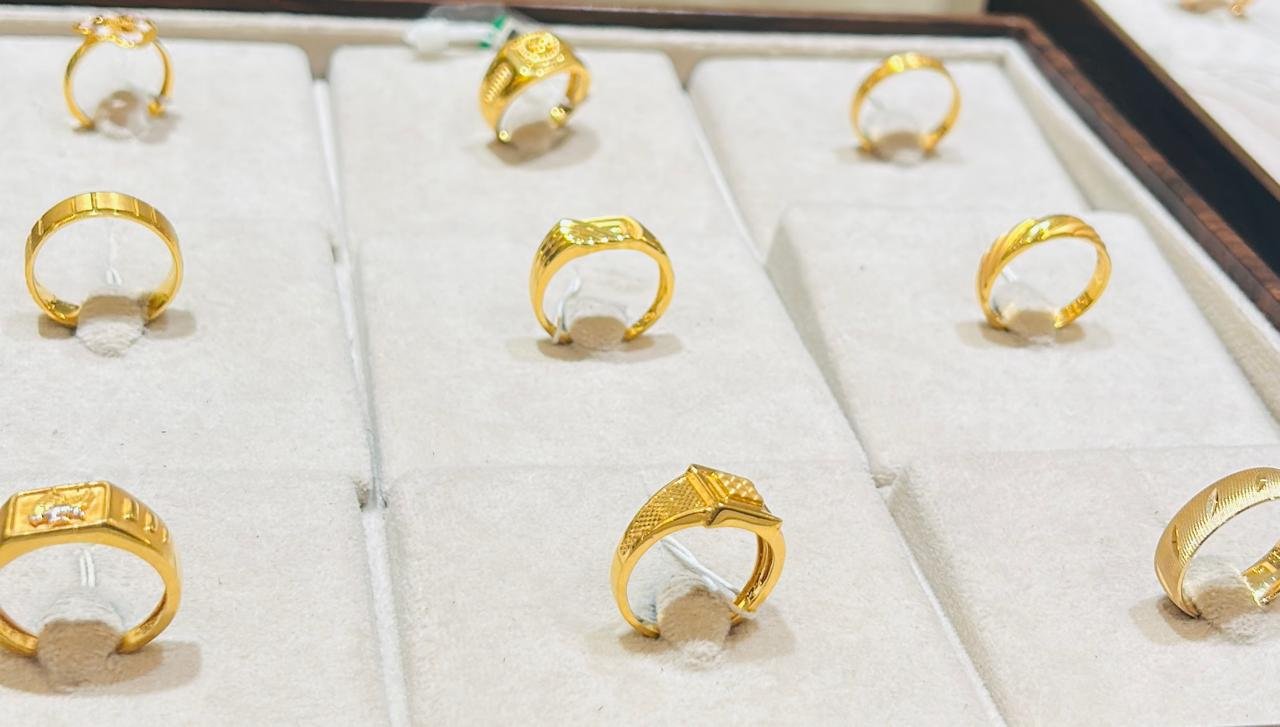


In the international market, spot gold fell 1.22% to $4,090.51 per ounce, while spot silver declined 2.73% to $56.394 per ounce. The downward movement in global prices weighed on domestic bullion rates, with investors closely monitoring inflation trends, economic indicators and expectations surrounding future interest rate decisions.
Gold and Silver Rates in Major Cities
Retail bullion prices showed variations across major Indian cities, including Delhi, Mumbai and Kolkata.
In Delhi, 24-karat gold was priced at ₹1,44,250 per 10 grams, while 22-karat gold was available at ₹1,32,229 per 10 grams. Silver of 999 purity was quoted at ₹2,04,030 per kilogram.
In Mumbai, the price of 24-karat gold stood at ₹1,44,490 per 10 grams, while 22-karat gold was valued at ₹1,32,449 per 10 grams. The rate of 999-purity silver was ₹2,04,380 per kilogram.
Meanwhile, Kolkata recorded a price of ₹1,46,030 per 10 grams for 24-karat gold and ₹1,33,861 per 10 grams for 22-karat gold. Silver prices in the city stood at ₹2,04,420 per kilogram.
Actual retail prices may differ between jewellers due to regional taxes, transportation costs and other applicable charges.
Factors Behind the Decline
The recent fall in precious metal prices comes as market participants assess the direction of US monetary policy. The Federal Reserve’s scheduled meeting on October 27-28 is expected to influence investor sentiment and bullion market movements.
Gold prices are particularly sensitive to interest rate expectations, movements in the US dollar and changes in bond yields. Since gold does not generate interest income, higher yields can reduce its attractiveness compared with interest-bearing investments.
Silver is also affected by currency movements and interest rate expectations. However, its industrial applications make demand from manufacturing and other economic sectors an additional factor influencing prices.
Investors are also tracking crude oil movements and geopolitical developments to assess potential inflationary pressures and their implications for global financial markets.
What Buyers Should Consider
The decline in bullion prices may encourage prospective buyers to compare rates across jewellery retailers before making purchasing decisions. However, the final cost of jewellery generally exceeds the quoted gold rate because of making charges, Goods and Services Tax (GST) and other applicable costs.
Consumers should also understand the difference between gold purities. Twenty-four-karat gold contains approximately 99.9% pure gold, whereas 22-karat gold contains around 91.6% gold and is widely used in jewellery. Silver marked 999 purity contains 99.9% silver.
Buyers are advised to confirm prevailing local prices, check the applicable charges and verify hallmarking or purity certification before completing a purchase.