

Greater Noida: Global power demand is set to grow by more than 3.5% per year on average over the rest of this decade, with electricity generation from renewables, natural gas and nuclear all expanding to keep pace, according to a new IEA report.
Electricity 2026, out today, is the IEA’s annual report on global electricity systems and markets. It provides in-depth analysis of recent trends and policy developments, and includes forecasts for electricity demand, supply and carbon dioxide (CO2) emissions over the five-year period through 2030.
According to the report, electricity demand is on course to grow at least 2.5 times as fast as overall energy demand through 2030 as the Age of Electricity takes hold. This is driven by rising industrial use of electricity, the continued uptake of electric vehicles, higher air conditioning use and the expansion of data centres and AI. While emerging and developing economies remain the main engines of electricity demand growth, consumption from advanced economies is also rising after 15 years of stagnation – contributing to a fifth of the total increase in power demand through 2030.
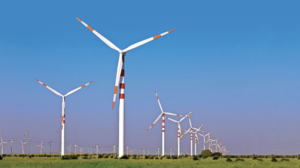
The report finds that global electricity generation from renewables − boosted by record deployment of solar PV – is now in the process of overtaking generation from coal, after virtually drawing level with it in 2025 based on the latest available data. Nuclear power output also rose to a new record. The momentum behind low-emissions sources of generation continues to 2030, by which time renewables and nuclear are together set to generate 50% of global electricity, up from 42% today.
Natural gas-fired output is also set to grow through 2030, supported by rising electricity demand in the United States and the continuing shift from oil to gas for power in the Middle East. Coal‑fired generation loses ground globally as renewables expand, returning to 2021 levels by the end of the decade. As a result, global CO₂ emissions from electricity generation are expected to remain roughly flat between now and 2030.
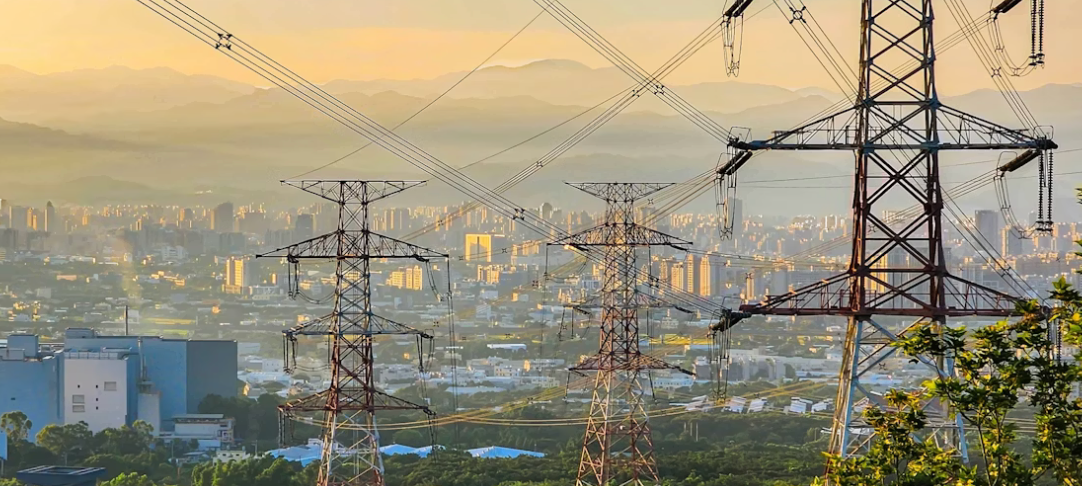
The report emphasises that these trends – growing demand, an increasingly weather-dependent mix of power generation sources, and evolving electricity consumption patterns and technologies – require a rapid and efficient expansion of both electricity grids and system flexibility. Today, more than 2,500 gigawatts worth of projects – encompassing renewables, storage, and projects with large loads, such as data centres – are currently stalled in connection queues worldwide.
New analysis in the report finds that as the expansion of grids advances, deploying grid-enhancing technologies and implementing regulatory reforms that enable more flexible grid connections and usage could allow for the integration of up to 1,600 gigawatts of queued projects in the near term. Together, these measures would allow the grid to be used more efficiently and unlock substantial capacity.
“At a moment of significant uncertainty across energy markets, one certainty is that global electricity demand is growing much more strongly than it did over the past decade. In this Age of Electricity, the increase in global power consumption through 2030 is set to be equivalent to adding more than two European Unions,” said IEA Director of Energy Markets and Security Keisuke Sadamori. “Meeting this demand will require annual investment in grids to rise by 50% by 2030. Expanding flexibility will also be crucial as power networks continue to evolve – so will a strong focus on security and resilience.”
The report finds that installations of utility-scale battery storage have risen sharply, providing an important source of short-term flexibility. Markets such as California, Germany, Texas, South Australia and United Kingdom have all seen strong growth in utility-scale battery capacity deployment in recent years.
Electricity 2026 also notes that the affordability of electricity remains a key and growing concern. Household electricity prices in many countries have risen faster than incomes since 2019. Elevated prices are also putting pressure on industries and businesses. As a result, policymakers are focusing on policies, market designs and regulations that deliver not just additional investment but also greater flexibility and efficiency across all parts of the power system, including demand, supply and the use of infrastructure.
According to the report, greater efforts are needed to improve the security and resilience of power systems around the world, which face rising risks associated with ageing infrastructure, extreme weather events, cyberthreats and other emerging vulnerabilities. Modernising how systems operate, as well as strengthening the physical protection of critical infrastructure, will be essential to countering these threats, the report emphasises.