
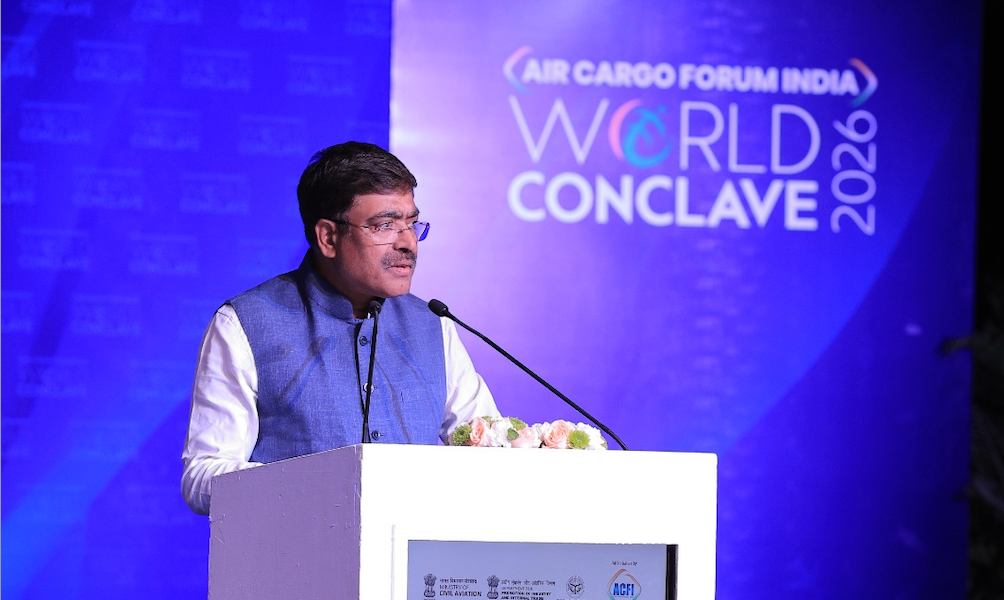


New Delhi: New Memoranda of Understanding (MoUs) and strategic partnerships announced at the 7th ACFI World Conclave 2026 brought state governments and industry stakeholders together to strengthen India’s air cargo and export ecosystem. The collaborations focused on cargo and logistics infrastructure, multimodal connectivity, and perishable and high-value cargo. They also aimed to support MSMEs and exporters, expand global market access and promote technology-driven logistics solutions.
Partnerships with Uttar Pradesh, Madhya Pradesh, Andhra Pradesh, and Telangana among other states, added a stronger regional focus, highlighting state-specific opportunities to build export capacity and connect regional cargo networks with global markets. In Uttar Pradesh, the partnership spans perishable logistics, cold chain, air cargo, warehousing and multimodal logistics, with potential initiatives including a Centre of Excellence and the Jewar Aero Logistics & Perishable Export Hub. The Andhra Pradesh partnership also looks at improving air cargo infrastructure and streamlining logistics and cargo handling processes, with the potential development of trans-shipment hubs, Special Economic Zones and Air Freight Stations.
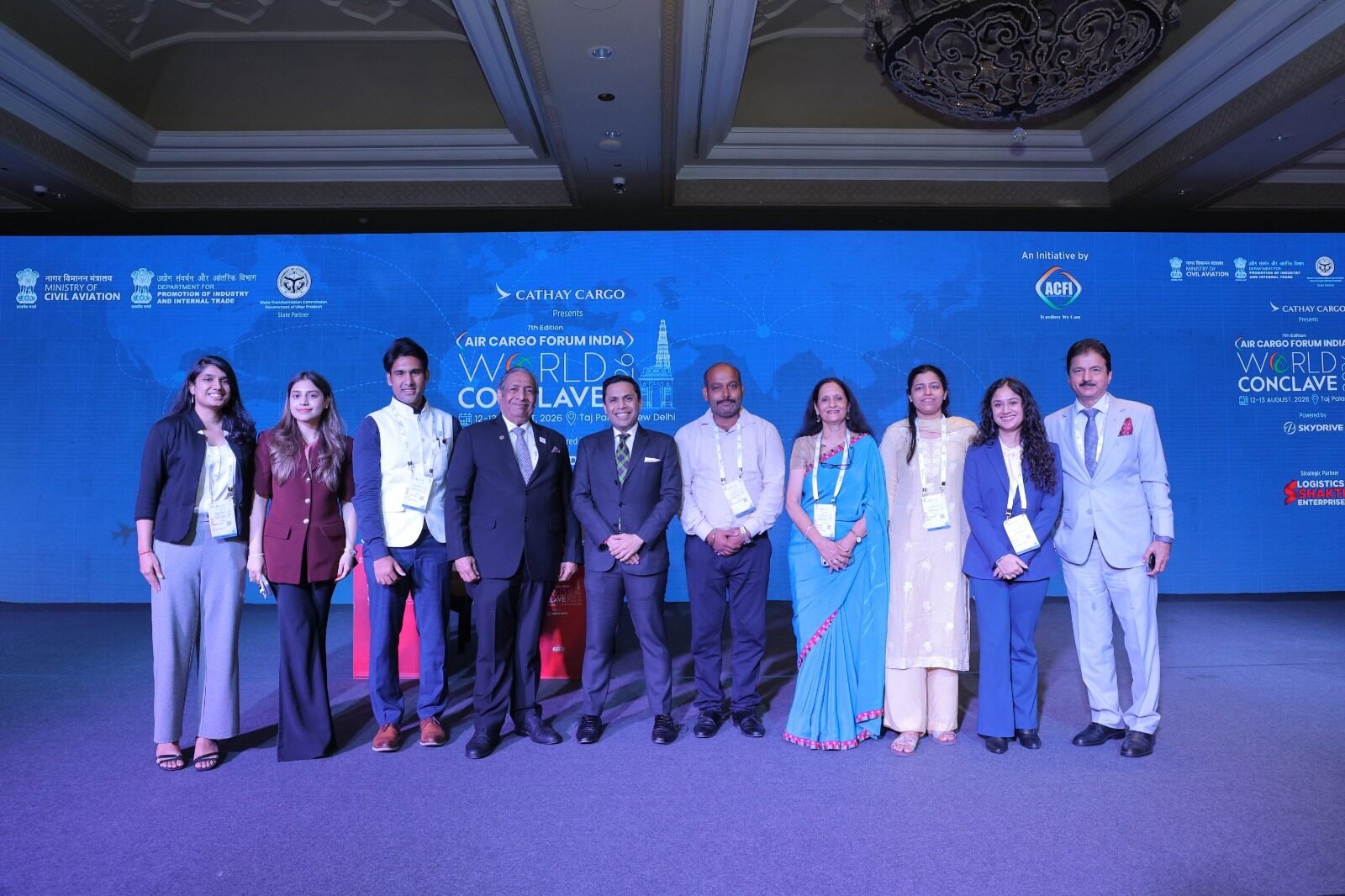
Organised by the Air Cargo Forum India (ACFI), in strategic partnership with Logistics Shakti Enterprise under the theme “Reimagining Global Trade: India at the forefront of developing Resilient Supply Chains,” the conclave brought together policymakers, airports, airlines, cargo terminal operators, logistics companies, exporters, global trade stakeholders and technology providers to examine emerging opportunities across India’s air cargo and logistics sector. Discussions covered India’s changing trade landscape, new cargo corridors and export opportunities through sessions including “India Rising: The New Map of Global Trade,” “India – The Next Air Cargo Superpower” and “From MSME to Global Markets.” The sessions examined India’s growing role in global trade, the evolution of cargo networks and the need to improve access to international markets for Indian businesses.
Samir Kumar Sinha, Secretary, Ministry of Civil Aviation, Government of India, while attending the conclave said, “ACFI brings the air cargo and logistics ecosystem together to identify challenges and drive practical solutions. As global supply chains diversify, India has an opportunity to strengthen its position as a reliable global trade and manufacturing hub, with air cargo playing a key role in pharmaceuticals, electronics, engineering goods and perishables. The government is focused on reducing friction through streamlined screening, one-stop security, dedicated transfer cargo security areas and greater use of technology. Air Cargo Policy 2.0 and the proposed National Air Cargo Community System will support end-to-end cargo processing, digital integration and lower logistics costs. The priority now is to turn these initiatives into clear deliverables and measurable outcomes through close collaboration between government and industry, with ACFI playing an important role.”
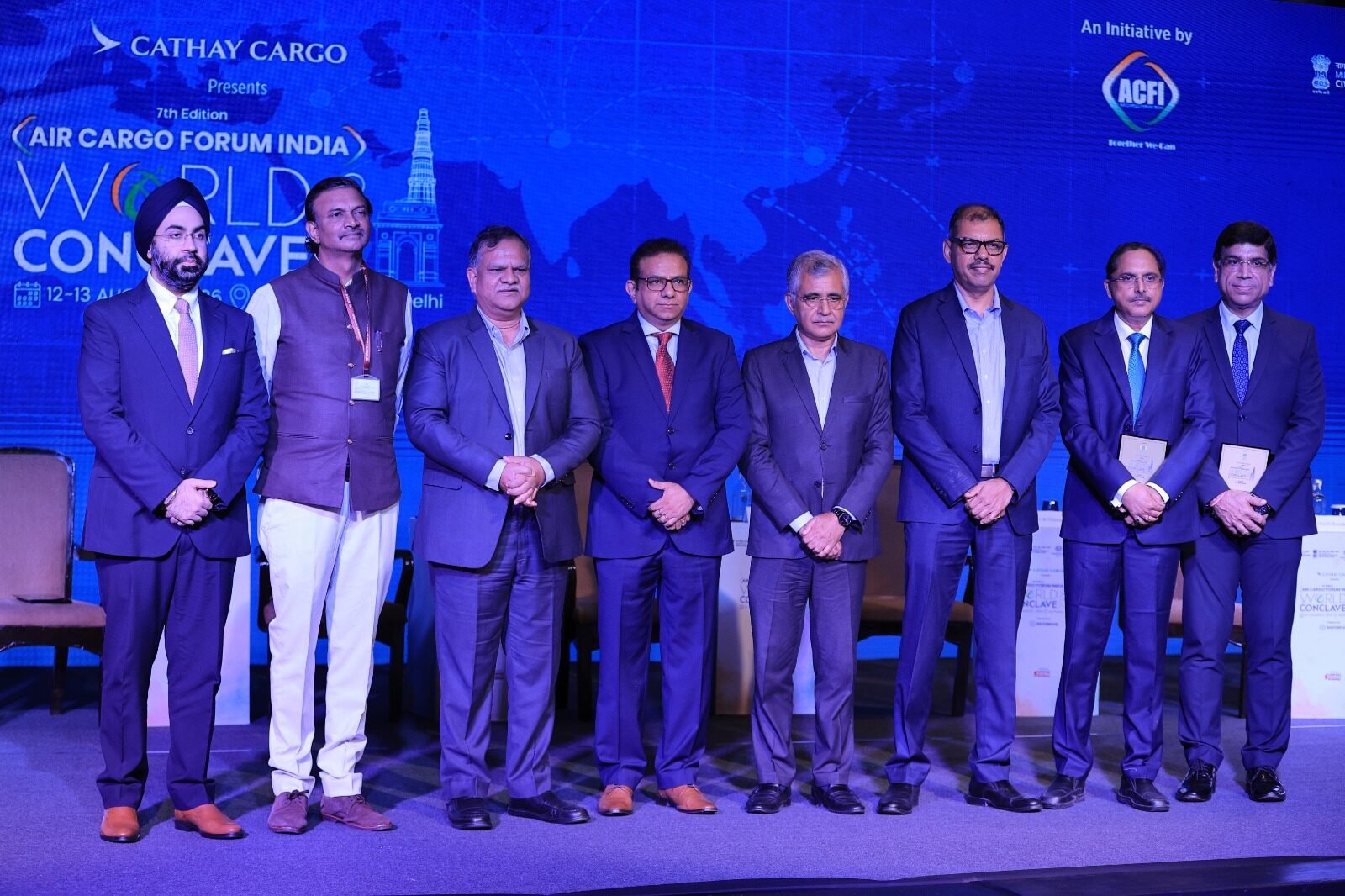
The programme also addressed the quality and future of cargo operations, with the launch of the Cargo Service Quality (CSQ) Initiative and discussions on VTOL and drones, AI and smart cargo security. A session on the evolution of Indian aviation further examined the changes shaping the sector. The conclave also featured the Innovatopia Awards, recognising innovations shaping the future of air cargo and logistics, followed by partner felicitations and networking.
Ramesh Mamidala, Vice President, Air Cargo Forum India (ACFI) and Head Cargo, Air India Limited, said, “The next phase of India’s air cargo growth will be shaped not only by expanding airport capacity, but also by how quickly the industry adopts new technologies and operating models. The discussions around VTOL and drones highlight the potential for new modes of cargo movement, particularly where speed, connectivity and access to difficult or underserved locations matter. At the same time, these technologies will need to develop alongside appropriate safety, regulatory and operational frameworks. The focus must be on identifying practical applications that can improve cargo movement, complement existing networks and make India’s logistics ecosystem more responsive to the needs of global trade.”
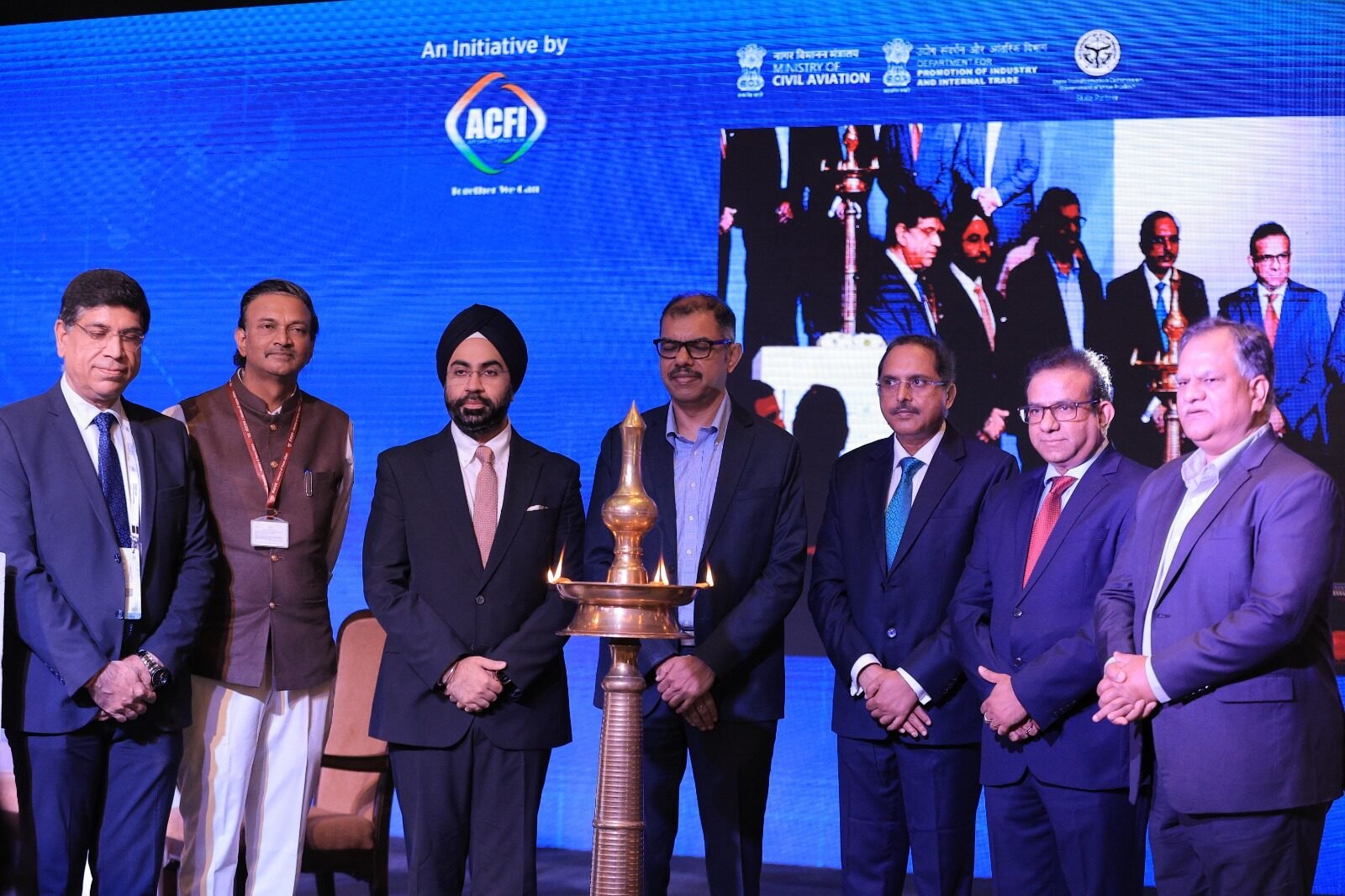
Sanjiv Edward, President, Air Cargo Forum India (ACFI) and Chief Executive Officer – Cargo & Logistics, GMR Group, said, “India has the opportunity to move from being a growing air cargo market to becoming a stronger global cargo hub, but this will require coordinated action across the entire ecosystem. The discussions at the conclave have highlighted the importance of airport infrastructure, efficient cargo operations, stronger international connectivity and closer alignment between airlines, airports, logistics providers, exporters and governments. The state partnerships and industry collaborations announced during the conclave add an important regional dimension to this effort. The priority now is to turn these partnerships and ideas into measurable improvements in capacity, service quality, market access and ease of doing business, while building a cargo network that is resilient enough to respond to changing global trade patterns.”
The 7th ACFI World Conclave 2026 brought together policy, trade, infrastructure and technology stakeholders, with the partnerships and initiatives emerging from the gathering laying the groundwork for stronger regional cargo capabilities, wider export access and more efficient cargo operations.











This site has such a great vibe and the community is awesome. I had a great run last night and the withdrawal went through instantly. Give phkiligph a try.