


The Strait of Hormuz, a critical route for a large share of global oil trade, remains effectively shut amid the conflict involving America, Israel and Iran. That has removed a major volume of supply from the market and forced countries to rely on emergency reserves, floating stocks and alternative shipping routes. But these buffers are thinning fast, raising fears that the world is only weeks away from a more severe reckoning.
The first signs of stress are appearing in refined products such as petrol, diesel and jet fuel, where stocks are shallower and price spikes tend to arrive sooner. In several Asian markets, fuel availability is already tightening, while European refiners are under pressure to secure diesel and aviation fuel. Even the United States is feeling the effect through higher pump prices and regional supply imbalances.
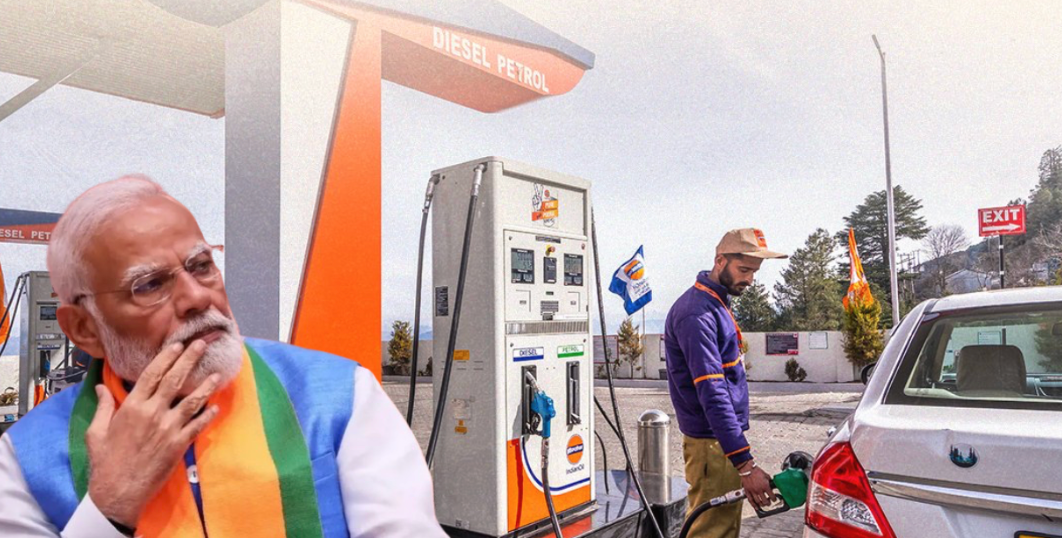
India has so far insulated consumers from the worst of the shock. Retail fuel prices have remained unchanged, even as global costs have climbed. But this stability comes at a steep internal cost. Indian refiners and oil marketing companies are absorbing higher crude prices, rising freight charges and sharply increased insurance premiums. Some are also sourcing alternative crude, including Russian supplies, to manage the disruption.
The burden is beginning to show in company margins and fiscal pressure. Oil marketing firms are reportedly facing large under-recoveries, especially on diesel, where losses have widened sharply. That has allowed the government to shield consumers in the short term, but it is not a sustainable long-term solution if global prices remain elevated.
Across the world, governments are responding with emergency measures. Some are encouraging work-from-home arrangements, cutting fuel use through holidays and transport shifts, or capping exports of refined products. Others are increasing ethanol and biodiesel blending or tightening fuel purchases. These steps may ease immediate pressure, but they also risk worsening shortages elsewhere.
India’s approach buys time, protects households and limits inflation. Yet the longer the global supply shock continues, the harder it will be to hold retail prices steady. The oil market may not have fully broken yet, but the direction is clear: the pressure is building, and the cost of delay is rising.