

Greater Noida: The Board of Executive Directors of the World Bank has approved and sanctioned long-term financing for the 1,125 MW Dorjilung Hydropower Project (DHPL). DHPL is a Special Purpose Vehicle (SPV) jointly owned by Bhutan’s Druk Green Power Corporation (60 percent) and Tata Power (40 percent), India’s largest private integrated power company. The Project will boost clean energy cooperation between India and Bhutan and strengthens regional energy security.
It will be Bhutan’s largest hydropower project to be developed under a public-private partnership (PPP) model and is expected to generate more than 4,500 GWh of clean electricity annually. This will expand Bhutan’s installed energy capacity by nearly 40 percent and further strengthen the country’s position as a reliable exporter of clean energy to India. About 80 % of the annual electricity generation form the Project will be supplied to India.
Tata Power Trading Company Limited, a wholly owned subsidiary of Tata Power, will be responsible for importing the power into India and managing its onward distribution.
The financing package includes a $150 million grant and a $150 million credit from the International Development Association (IDA) and a $15 million enclave loan from the International Bank for Reconstruction and Development (IBRD) to DGPC (Government of Bhutan), as well as a $200 million IBRD enclave loan and a $300 million loan from the International Finance Corporation (IFC) to Dorjilung Hydro Power Limited (DHPL). The balance funding requirements for the project will be arranged from various market participants.
The World Bank’s approval reflects confidence in the project’s technical and financial foundations. It provides long‑term visibility and strengthens Tata Power’s and DGPC’s ability to advance the project in a measured and disciplined manner, while focusing on delivering sustainable value for all stakeholders.
The Dorjilung project reinforces long-standing energy cooperation between Bhutan and India, highlighting how regional partnerships can deliver shared economic and environmental benefits while advancing South Asia’s clean energy landscape.
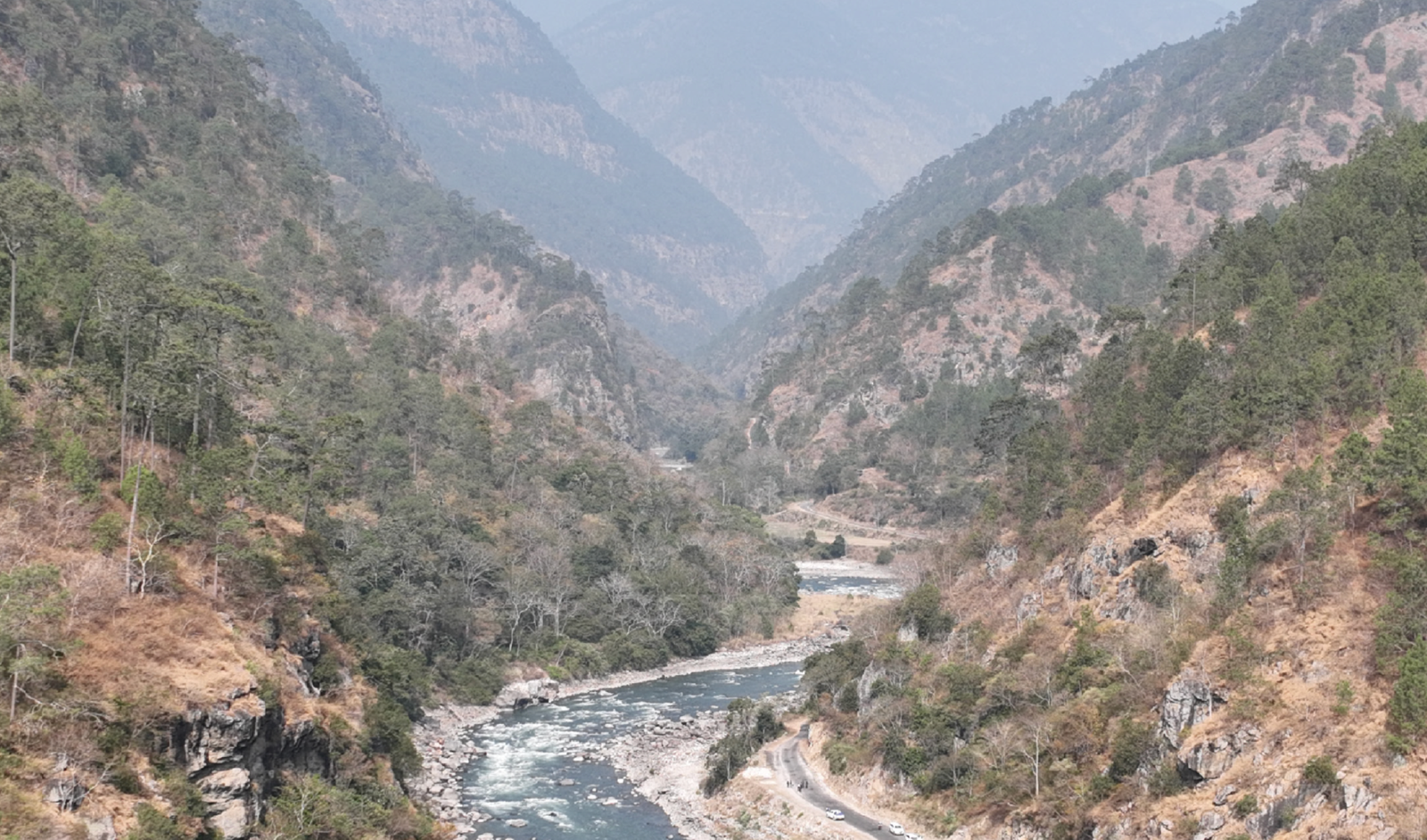
The project is expected to generate significant employment during both construction and operations, stimulate local entrepreneurship, and support livelihoods in the Mongar and Lhuentse districts in Bhutan.
Dorjilung marks the next chapter in this enduring partnership focused on sustainable development, and illustrates how partnerships between Governments, Multilateral Institutions, and the Private Sector can translate policy ambition into bankable, high-impact outcomes.