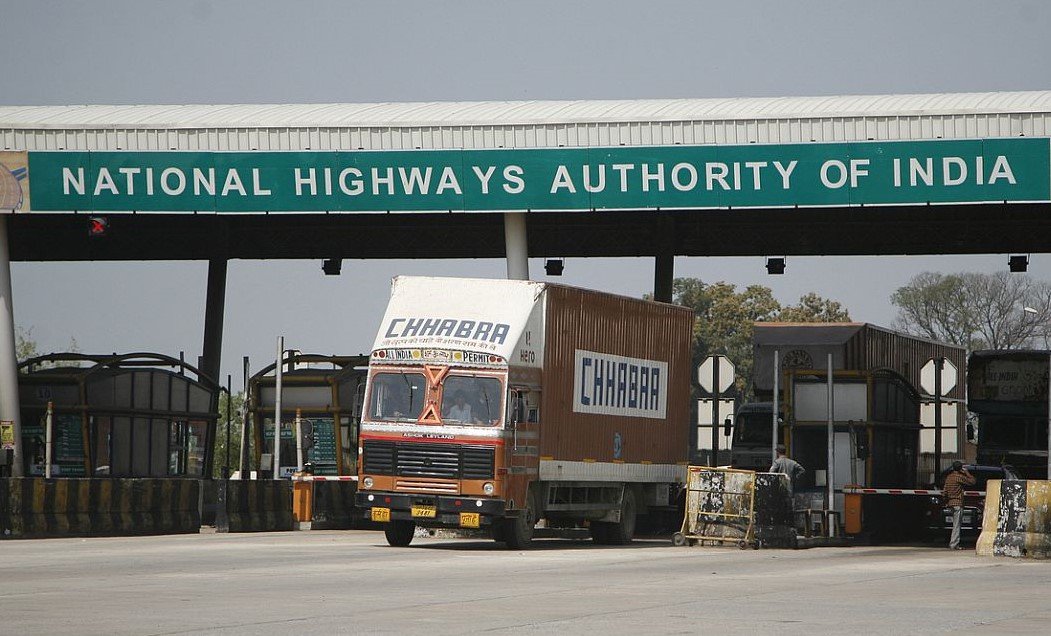


After Indian independence, most toll roads were scrapped for the objective of promoting free trade and movement. Fuel taxes and the government budget were used to fund road maintenance from 1950s to 1970s.
The reintroduction of tolls in the 1990s, following economic liberalisation and large-scale highway projects, witnessed a change in the system. Previously, every time one used to pass through the highways, they had to pay a toll tax as a fee in cash.
Golden Quadilateral and National Highways Development Project launched in the 2000s under then Prime Minister Atal Bihari Vajpayee witnessed huge investment in highways. During the same period, Built Operate Transfer(BOT) was introduced for the purpose of recovering costs and involving private players where tolls became the prime source of revenue. With the development of this project the construction of roads became effective and easier to for both trading and travelling purposes, a new change was witnessed.
In the present modern time, 2010s, with the modernisation, the introduction of Public-Private Partnership (PPP) has revolutionised the process of road construction, development and maintenance of highways, with the Fastag coming into effect, yet it is subject to various criticisms like corruption, inefficiency, and burden on commuters.
Today all expressways and national highways have toll plazas, with the aid of which enormous amounts of taxes in the forms of revenue is collected every year, generating revenue for the government.
There is an ongoing debate about whether this toll tax system should be abolished and replaced with alternatives like fuel cess, congestion pricing, or shadow tolls.
Further elaborating the reasons why this toll tax should be scrapped. Firstly, it causes double taxation and is an unnecessary burden on commuters. Common man is levied with multiple tax like for example when a car is purchased there is Goods and Service Tax (GST), Road Tax and Road Tax along with fuel is paid by the consumers in such a scenario toll tax causes overburden on the pocket of a common man.
Secondly, it creates a sheer discrimination based on ststus like for example certain VIP and VVIPS are exempted from it, though the fact remains that VIP/VVIPs are remunerated or compensated by the tax payers that is the common man. This gives rise to inequality whereas Indian constitution expresses about equality before law under article 14 which prohibits any special privilege and asserts the supremacy of ordinary law, hence this rule goes contrary to constitutional provisions that way.
Thirdly, due to toll tax system the journey time is killed and environment is polluted with the stoppage of vehicles in the way, thereby it is negative for the commuters and environment which is a grave area of concern and seeks careful redressal by the government as it is in public interest.
Fourthly, due to Fastag which is being introduced for the convenience and cashless toll fee is more often creating issue often seen like there is no Fastag then the cash payment takes time wasting the time of other commuters and many a times Fastag sensors takes time more than 30 seconds creating an inconvenience for others on the way.
Fifthly, lots of electricity is being generated at the toll plazas which incurs a huge amount of cost ultimately resulting as a wastage of resource, this can be utilized for effective purposes.
Lastly, the toll tax adds to the inflationary cost of goods as they directly increase the operational costs for transporters. These higher transportation expenses are then passed on to consumers, leading to price increases for a wide range of goods. This is a huge drawback from economic perspective.
India has several viable options for financing and developing national highways, state highways, and expressways, which are outlined below.
The first approach involves shadow tolls, where the government uses public funds to compensate operators while users travel without paying direct tolls. This serves as an excellent substitute for traditional toll collection systems.
The second method encompasses fuel taxation and designated road funding mechanisms. This approach collects revenue through taxes on fuel purchases, offering a practical funding solution with lower administrative expenses compared to toll plazas, broader participation since all fuel consumers contribute, and simplified collection through established fuel tax infrastructure.
The third option is vehicle mileage or distance-based pricing, which charges vehicles according to the kilometers they travel. This represents an equitable approach to road maintenance funding since costs correspond directly to actual road usage and related impacts.
The fourth strategy involves Land Value Capture and development fees, which creates a suitable funding mechanism by targeting the main beneficiaries of infrastructure improvements – property owners and developers – rather than solely depending on road users.
The fifth method combines property development charges with special purpose vehicle financing. This alternative funding approach allows municipalities and states to impose development fees, building permit surcharges, or require developers to provide infrastructure contributions either directly or through payments. Special purpose vehicles merge various revenue sources including taxes, land value capture, and bonds to support project financing. This method works well because it distributes costs among beneficiaries while requiring adequate municipal capabilities and accountable governance.
The sixth approach utilizes general budget allocation, grants, and transfers between central and state governments. This involves direct funding through central or state budgets using either general tax revenue or specific infrastructure grants. Governments may also offer viability gap funding to enhance project feasibility.
This approach proves appropriate for infrastructure development needs.
Shikhar Advocate High Court Lucknow Bench
About The Author:
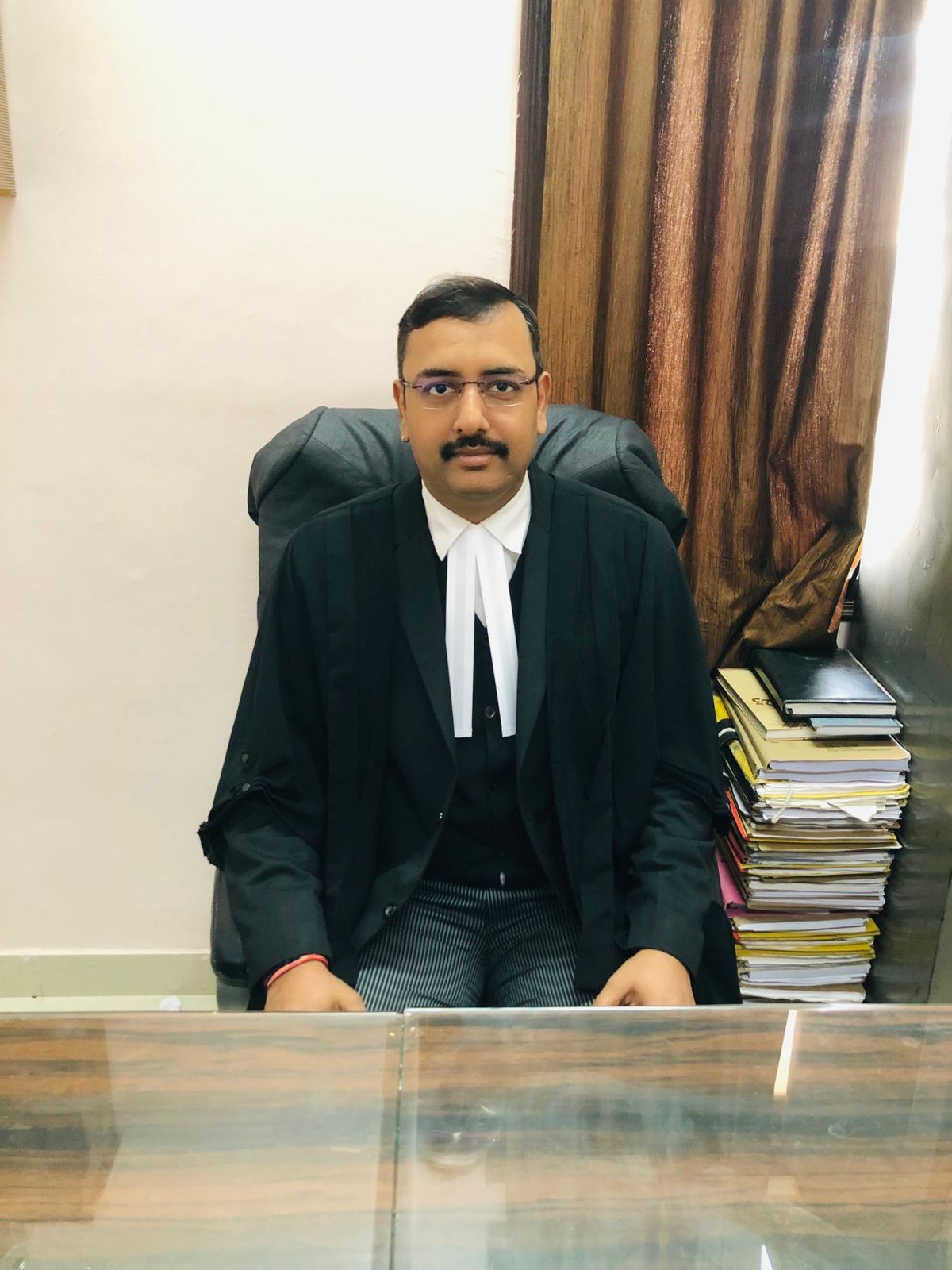
Mr. Shikhar is an advocate by profession LLM from United Kingdom and holds a Bachelor degree in journalism and mass communication. He mainly writes on social and legal issues. Main area of practice is civil side in high court Lucknow bench with experience of more than 11 years at bar.
Email-shikhar421@gmail.com