

They have collected data from a survey of 1,000 maternal health professionals from five countries (Australia, Brazil, India, UK, Zimbabwe) in five different continents. Nearly all surveyed have cared for a pregnant woman (98%) or baby (99%) whose health they consider was affected by extreme heat. Almost three-quarters (73%) reported that heat-linked cases or complications have increased over the past five years.
The survey was commissioned by health-focused global foundation Wellcome. It is part of the launch of a new initiative tomorrow, led by Wellcome and other partners, which includes global calls-to-action to protect women, babies, health systems and workers from the impacts of extreme heat.
According to the research, every 1C rise in temperatures correlates with a 5% increase in premature births and a 7% increase in gestational diabetes.
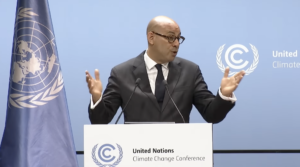
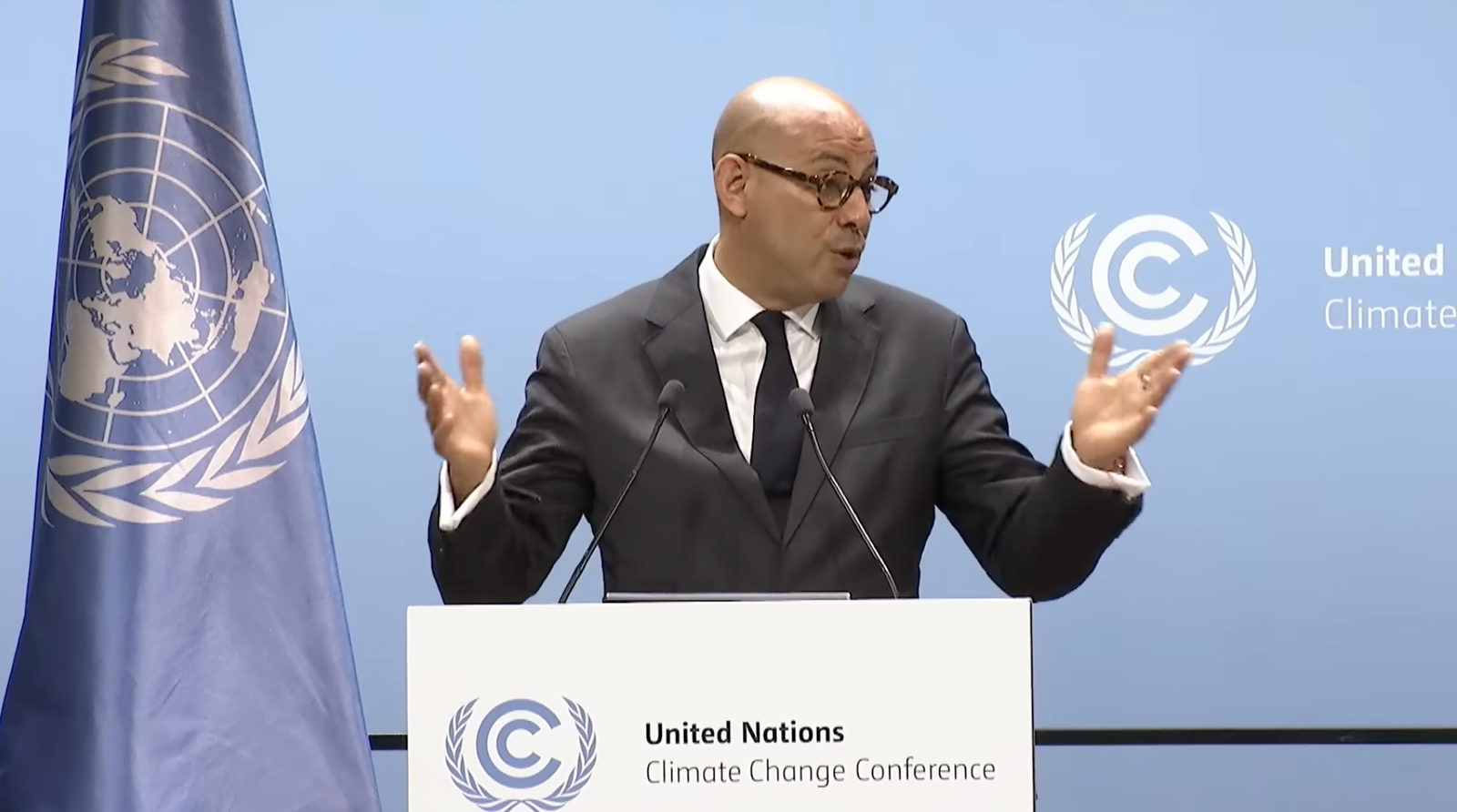
Simon Stiell says, “The picture is clear and very disturbing: as extreme heat worsens, pregnancy and birth are now a new faultline in the global climate crisis, and one which is potentially fatal. This faultline must not become another deep chasm of climate-driven suffering, inequality and injustice.”
The Executive Secretary further says, “A changing climate must never be accepted as a reason pregnancy and birth become less safe. A newborn’s healthy start must never depend on a family’s ability to escape the heat.”
“Staying cool’ is simply not an option when there is no cool place to go. A safe birth is already too often shaped by geography, income and access to care. Without action, extreme heat will widen that injustice. We cannot let worsening climate impacts become permanent pitfalls for maternity wards and families everywhere,” he added.